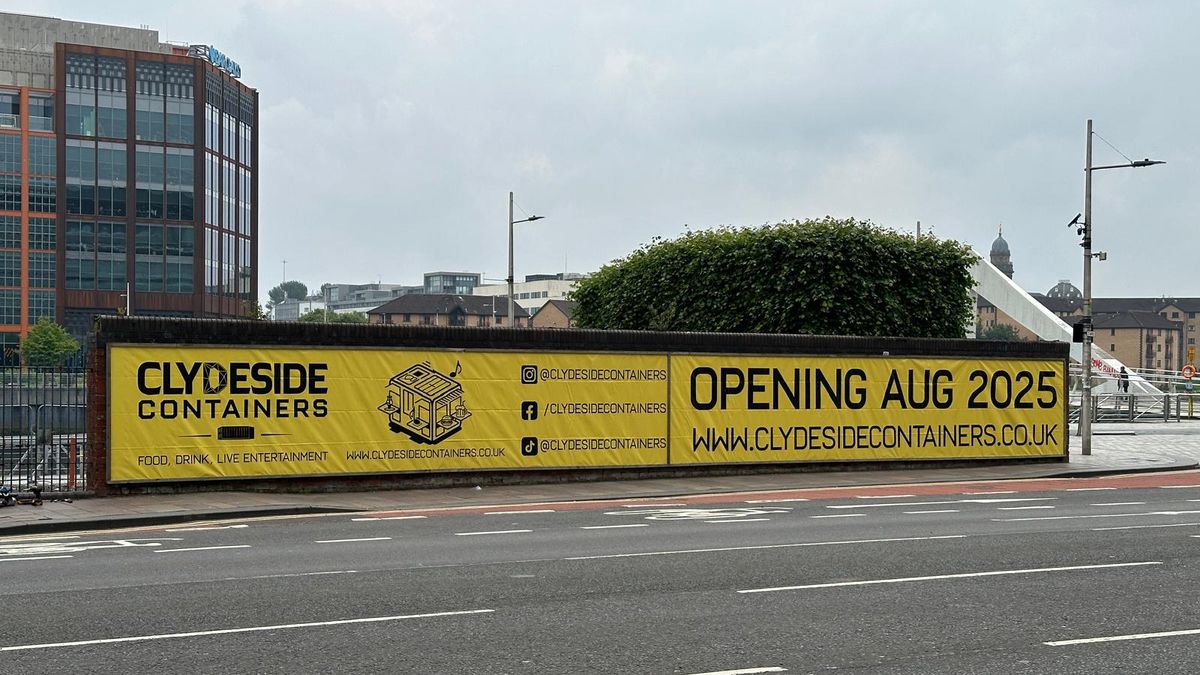
Clydeside Containers: The Truth Behind Glasgow's Delayed Food Hub
Glasgow's vibrant culinary landscape is always evolving, but few projects have captured the city's imagination and sparked as much conversation as Clydeside Containers. Planned as a dynamic container-based food and drink destination on the picturesque banks of the River Clyde, this ambitious food hub has been the subject of intense anticipation and, more recently, growing concern over its delayed opening. After months of public silence, the team behind Clydeside Containers has finally broken cover, offering a candid explanation for the setbacks that have left eager Glaswegians wondering if the project would ever come to fruition.
The good news is unequivocal: the project is "fully funded," "very much alive," and its grand opening is now on the horizon. But before we dive into the exciting future, it's crucial to unpack the journey so far. What exactly caused the prolonged delays, and what can aspiring urban developers and enthusiastic foodies learn from this high-profile venture?
Unpacking the Delays: A Tale of Two Narratives
The story of Clydeside Containers' delays is multifaceted, involving both internal miscalculations and external complexities. While the developers, Allied Leisure, have acknowledged their own role, Glasgow City Council has offered a distinct perspective on the timeline.
Initial Ambition and Missed Milestones
When Clydeside Containers was first announced, it promised an innovative outdoor food, drink, and events destination, initially targeting an August 2025 launch. Shipping containers were delivered to the Broomielaw site by August 2025, fueling initial excitement. However, this original target date, along with subsequent revised aims for an October 2025 opening, passed without the bustling activity Glasgow's residents had hoped for.
The management team behind Clydeside Containers recently issued a statement taking direct responsibility for underestimating the intricate compliance and planning processes required for such a unique development. They highlighted a significant hold-up in obtaining planning permission as central to their woes. According to their account, permission, which they had anticipated by August 2025, wasn't actually granted until December 2025. This four-month overrun, they explained, created a "cascading effect" on all subsequent work, pushing back timelines for site preparation, vendor installations, and ultimately, the grand opening. Adding to these challenges, the severe Scottish winter of December and January further halted on-site activity, an unavoidable external factor in outdoor construction projects.
Glasgow City Council's Counter-Argument
While the developers cited planning permission as a key factor, Glasgow City Council presented a different account regarding the timeline and responsibility for the delays. A spokesperson for the council firmly stated that the initial planning application submitted by Clydeside Containers was deemed invalid. It reportedly lacked crucial details, including sufficient drawings to adequately describe the proposed development, and was also missing the required fee. Such administrative oversights can significantly prolong the initial review process, preventing an application from even being formally registered.
According to the council, a valid application was not finally made until June 18, 2025. Given this fact, the council spokesperson refuted any claim that the venue could have credibly been in operation from August 2025. They explicitly stated, "It is also completely untrue to suggest the fact this date was not met was as a result of anything done or not done by the city council." Consent for the complex application, which required extensive consultation and amendments, was ultimately granted on November 27 of last year, indicating a thorough, albeit lengthy, review process. This disparity in narratives underscores the complexities often inherent in large-scale urban development, particularly when innovative concepts like a container food market are involved. For more on this, check out our deep dive: Glasgow Council vs. Clydeside Containers: Unpacking Planning Delays.
The Ripple Effect: Impact on Vendors and the Community
The prolonged uncertainty surrounding Clydeside Containers didn't just affect the developers; it sent ripples through Glasgow's burgeoning street food scene and left many local businesses and the public in a state of limbo.
Vendors in Limbo
For aspiring street food vendors, the prospect of securing a spot at Clydeside Containers was a golden opportunity. Many would have made significant investments in equipment, staffing plans, and menu development based on the initial promises of an August or October 2025 opening. However, as deadlines came and went without a concrete launch date, these vendors found themselves increasingly "in the dark." Reports indicated that some had received no updates on opening plans since the summer, leaving them in an untenable position of suspended animation.
This situation highlights a critical challenge for large-scale, multi-vendor projects: the immense pressure on communication and transparency. When partner businesses are financially dependent on a project's timeline, prolonged silence can lead to significant stress, potential financial losses, and a loss of trust. For Glasgow's independent food businesses, many of which operate on tight margins, such delays can be devastating.
Public Anticipation and Speculation
Beyond the business community, the general public keenly followed the progress of Clydeside Containers. Social media channels buzzed with questions, speculation, and a palpable sense of disappointment as each anticipated opening date passed. Glasgow residents, known for their love of good food and vibrant social spaces, were genuinely excited about this unique addition to the River Clyde waterfront. The extended silence only fueled doubts, leading many to wonder if the project was, in fact, doomed.
This public sentiment underscores the importance of transparent communication in urban development. While developers understandably want to avoid premature announcements, maintaining some level of engagement, even if to simply acknowledge delays and explain the ongoing challenges, can help manage public expectations and sustain excitement.
Clydeside Containers: A Glimmer of Hope and Imminent Arrival
Despite the hurdles, the recent announcement from the Clydeside Containers team marks a significant turning point. After months of silence, their candid statement has injected renewed hope and clarified the path forward.
Breaking the Silence and Renewed Commitment
The organizers' direct address to the public was a much-needed gesture of transparency. They acknowledged the waiting, the questions, and the understandable skepticism. "We know you’ve been waiting... wondering if this project was ever going to happen. You deserve a straight answer, and we’re here to give you one: Clydeside Containers is coming. It will open. And we will open soon."
This strong affirmation, coupled with the confirmation that the project is "fully funded" and "very much alive," has quelled many of the fears that had begun to circulate. By taking responsibility for their initial underestimation of the planning process's complexity, they've shown a willingness to be accountable, a trait often appreciated by a patient public.
Concrete Progress: Vendors Moving In
Perhaps the most tangible and exciting sign of progress is the confirmation that several vendors are slated to begin moving onto the site within the next week. This step is pivotal, transforming the project from a theoretical concept to a physical reality. As the team eloquently put it, this is "the moment this project stops being something you read about and starts being something you can smell from the riverbank."
This influx of vendors signals that the extensive preparatory work, including the resolution of planning and compliance issues and potentially much of the foundational site construction, is nearing completion. For the vendors themselves, this is the long-awaited signal to finally activate their plans and prepare for service. It marks the final stretch towards the grand opening, promising an imminent culinary buzz along the Clyde. Keep an eye on our updates as we follow this exciting development: Clydeside Containers Nears Opening: Vendors Prepare for Glasgow Spot.
Navigating Urban Development: Lessons from Clydeside Containers
The journey of Clydeside Containers offers valuable insights for anyone involved in large-scale urban development, from project managers to local authorities and even aspiring entrepreneurs.
- For Developers and Project Managers: The experience underscores the paramount importance of conducting exhaustive due diligence on regulatory frameworks, particularly planning and compliance processes, from the earliest stages. Over-estimating timelines for these bureaucratic hurdles can lead to significant cascading delays and financial strain. It's often wiser to factor in generous contingencies and engage proactively and transparently with local authorities.
- For Local Councils and Planning Departments: While thorough scrutiny of complex applications is essential for public safety and urban integrity, streamlining processes and providing clear, early feedback on application deficiencies can greatly assist developers. Effective communication of requirements can prevent invalid submissions and expedite valid ones.
- For Vendors and Partner Businesses: The challenges faced by vendors awaiting the opening highlight the need for robust contingency planning. Businesses relying on a new venue's opening should factor in potential delays, maintain open lines of communication with the main operators, and possibly diversify their revenue streams during the waiting period.
- For the Public and Stakeholders: Ambitious projects, especially those with innovative designs or complex urban integrations, often encounter unforeseen obstacles. While anticipation is natural, understanding the intricate layers of approvals and construction required can foster greater patience and support.
Conclusion
The story of Clydeside Containers is a testament to both the ambition of Glasgow's entrepreneurial spirit and the inherent complexities of bringing large-scale urban developments to life. From initial excitement to frustrating delays and conflicting accounts, the journey has been anything but straightforward. However, with the recent, transparent communication from the developers and the tangible sign of vendors preparing to move in, the long wait for Glasgow's newest food hub is finally drawing to a close.
When it does open its doors, Clydeside Containers promises to be a vibrant, dynamic addition to the River Clyde, offering an exciting array of street food, drinks, and events. It will not only enhance the city's already thriving culinary scene but also provide a unique gathering place that truly capitalizes on Glasgow's beautiful riverside. The truth behind the delays is a blend of underestimated challenges and regulatory complexities, but the ultimate truth is that this much-anticipated destination is, at last, ready to welcome the eager crowds of Glasgow.